Treasures of Deering
A new exhibit showcases rare holdings
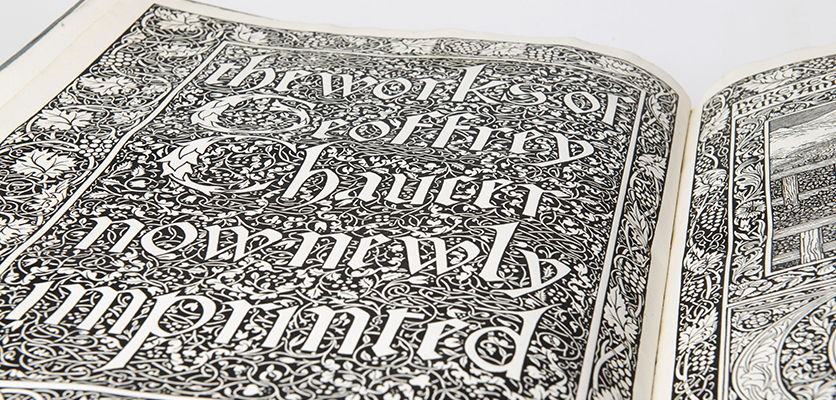
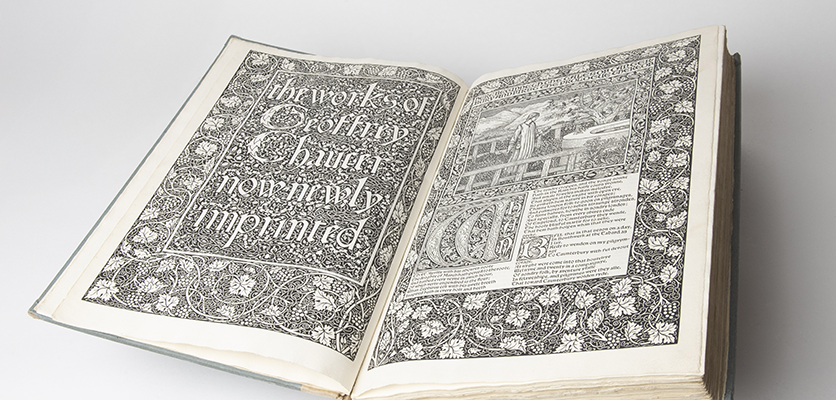
A two-part exhibit in the reopened Deering Library celebrates the rarest holdings of the Charles Deering McCormick Library of Special Collections and University Archives. When the building first opened in 1933, rare books lived in a cozy nook called the Treasure Room. Today the McCormick Library, located in Deering, holds these treasures, along with the rare materials of the Music Collection.
Through acquisition and donation, holdings have grown to include the papers of famous authors, the archives of accomplished alumni, and one-of-a-kind artifacts of the world’s cultural and political history. Part one of Treasures of Deering is now on display in the lobby of Deering Library; part two will run during winter quarter with a different selection of items.
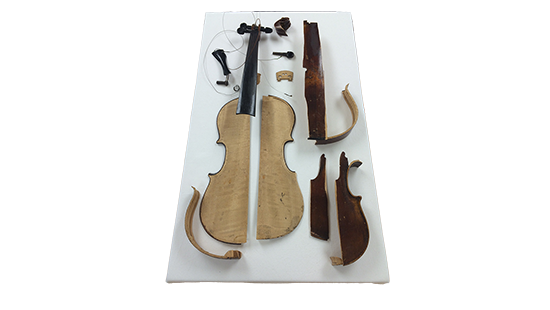
Charlotte Moorman's Smashed Violin
Typescript by Richard Wright
Following his success with books including Native Son, Richard Wright made an excursion to the Gold Coast, the British colony in western Africa that would soon become the Republic of Ghana. The McCormick Library holds the typescript for his book about the trip, Black Power, revealing many textual changes that he made during the writing process and substantial passages not included in the published version.The Marillon Songbook
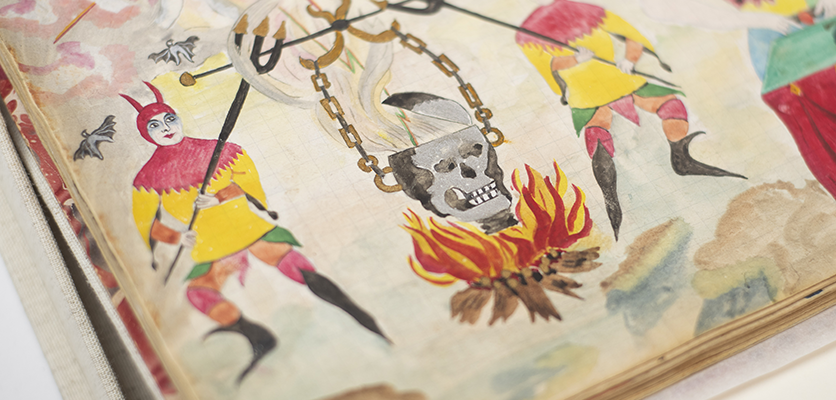
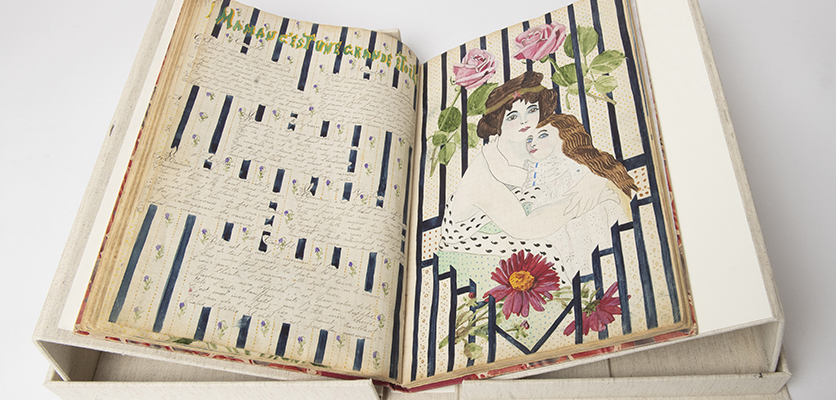
This unique manuscript, properly titled “Recueil de chansons et monologues,” is a charming example of what is now called outsider art. The otherwise unknown artist André Marillon (active from 1914 to 1916) copied the lyrics of cabaret songs and comic monologues from the Belle Epoque and illustrated them in a flat, colorful style that is as inventive in page design as it is naive in execution. An inscription inside reveals that the artist made the book as a gift for his sister Hélène.
High quality scans of the full manuscript are available in Digital Collections.
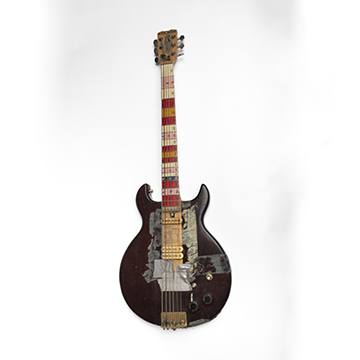
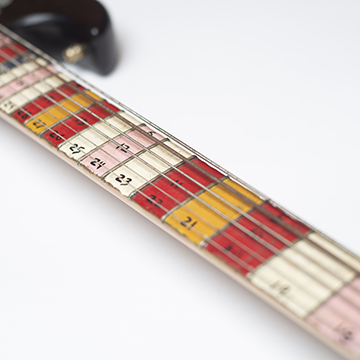
Glenn Branca's Guitar
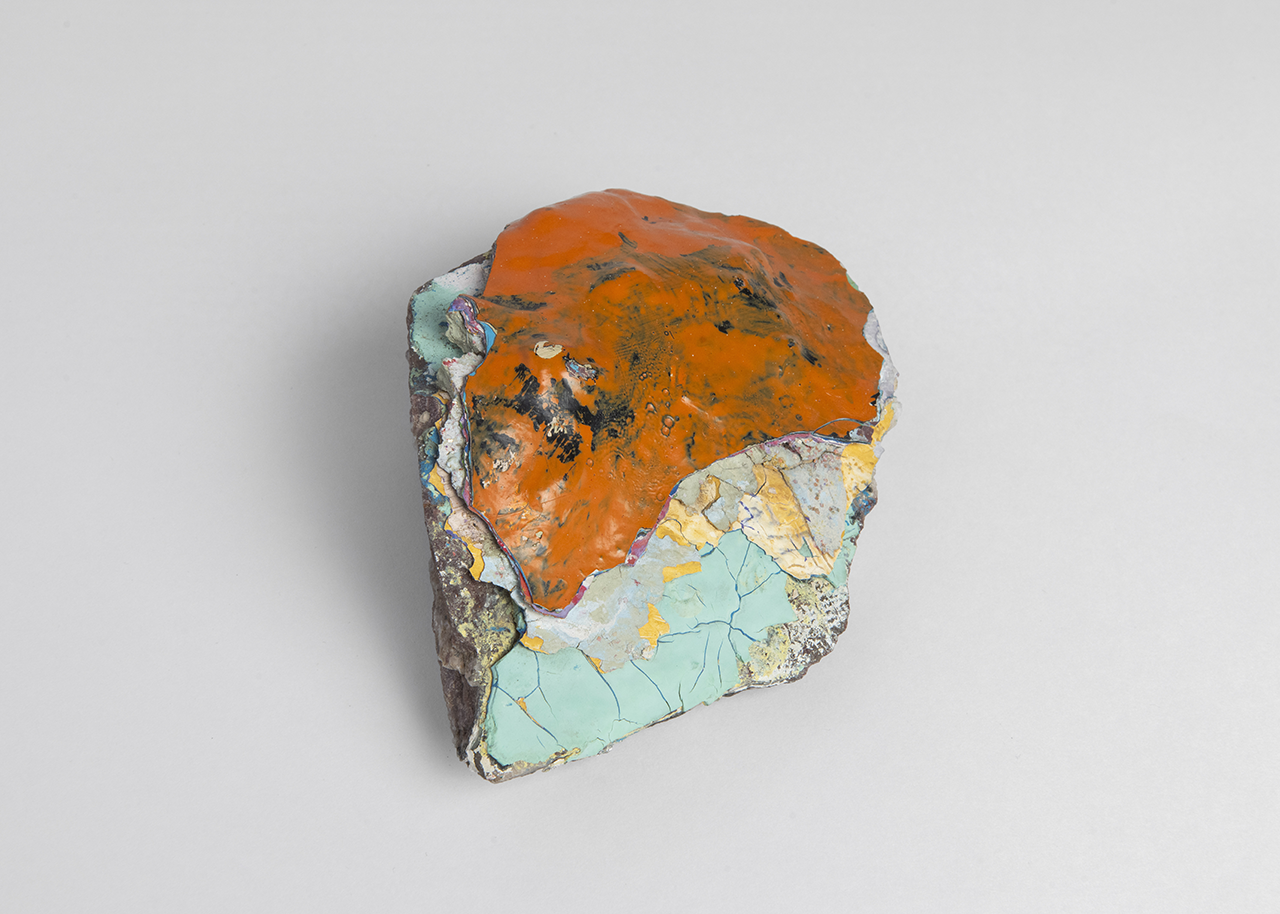
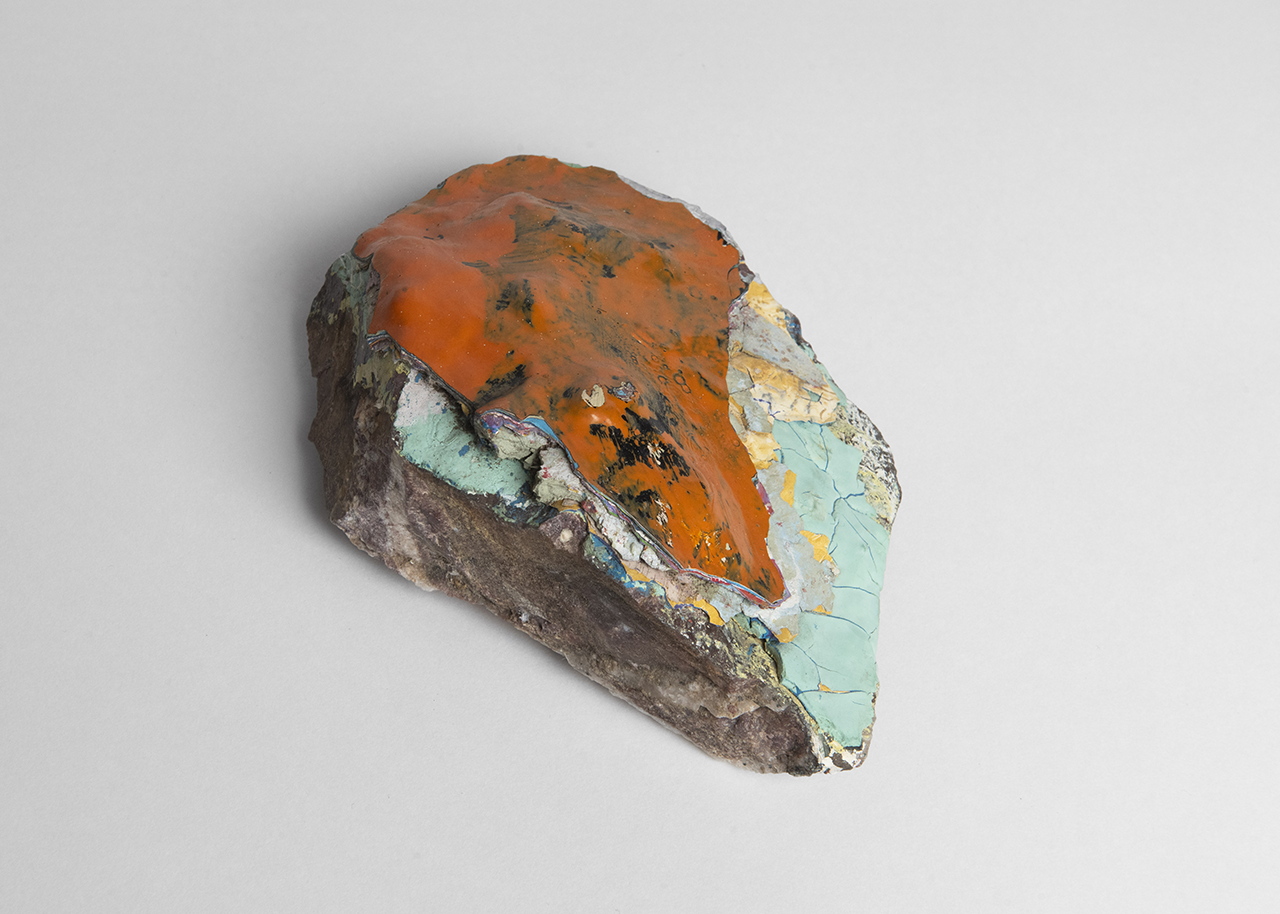
Fragment of The Rock
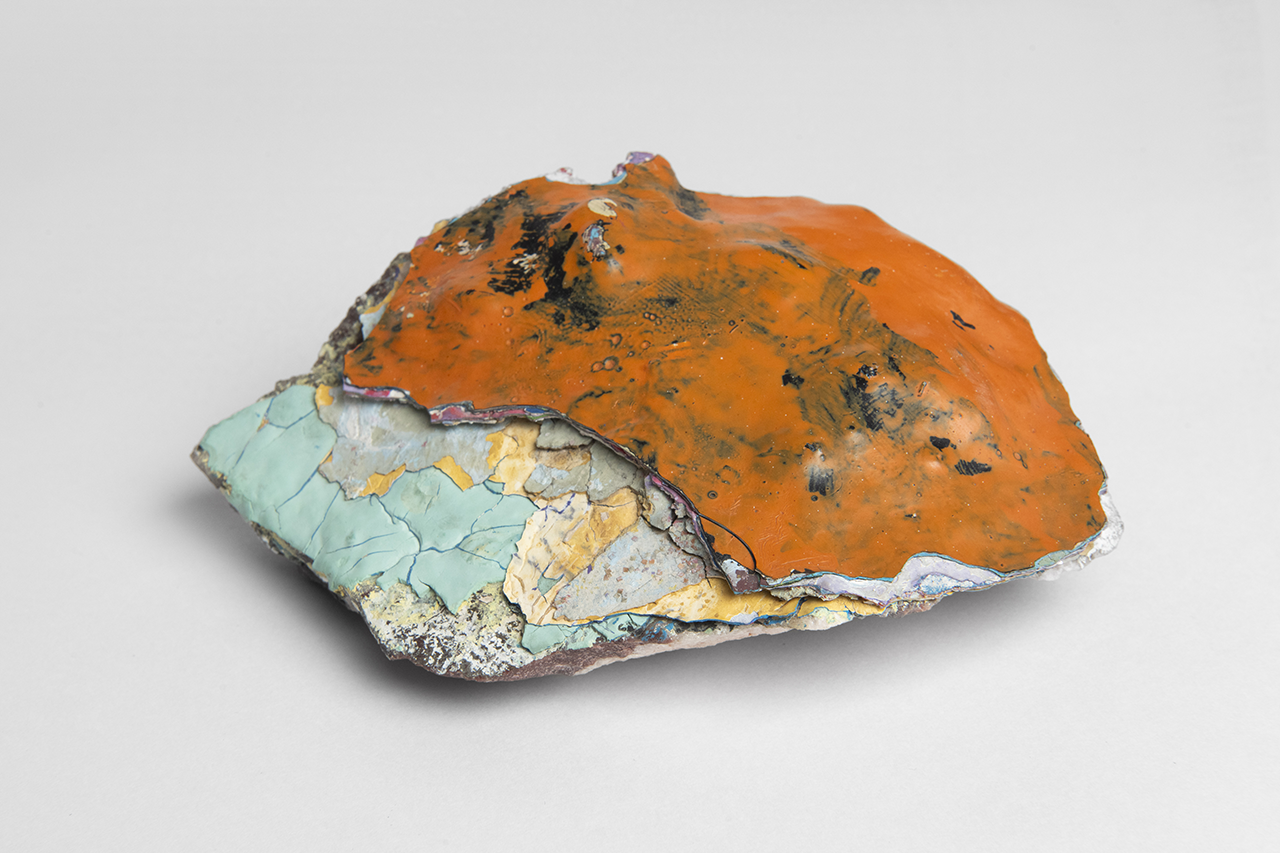
Repainted nearly every night during the academic year, the Rock has been a regular billboard for Northwestern student groups since the 1960s. This fragment was accidentally dislodged in 1989 and preserved in University Archives because it so effectively helps viewers envision the years of paint accumulation on this landmark, said University archivist Matt Richardson.
Score for "Cut Piece"
Yoko Ono befriended composer John Cage during her time on the New York avant-garde scene of the late 1950s and early ’60s. “Cut Piece” is one segment of 9 Pieces for John Cage, the provocative landmark work she dedicated to the composer. During the piece, which Ono performed multiple times over her career, the artist kneels on stage and invites audience members to cut away pieces of her dress with a pair of scissors. The handwritten “score” for the work comes from the John Cage Notations Project Collection.The Kelmscott Chaucer