Grant unlocks research potential of environmental statements
 Northwestern University Libraries will construct new AI tools that supercharge environmental research with one of the Libraries’ signature collections, thanks to grant support from the Mellon Foundation.
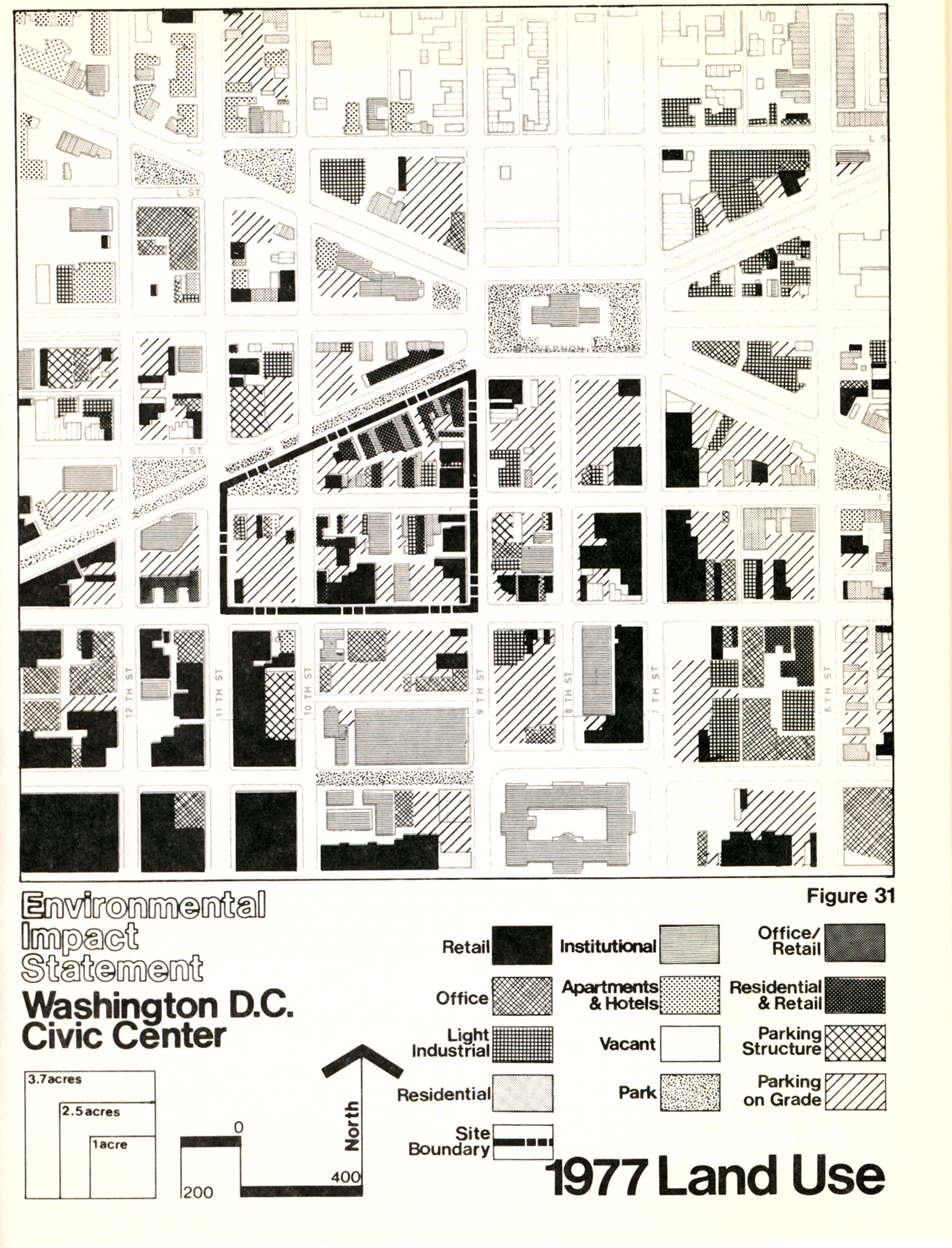
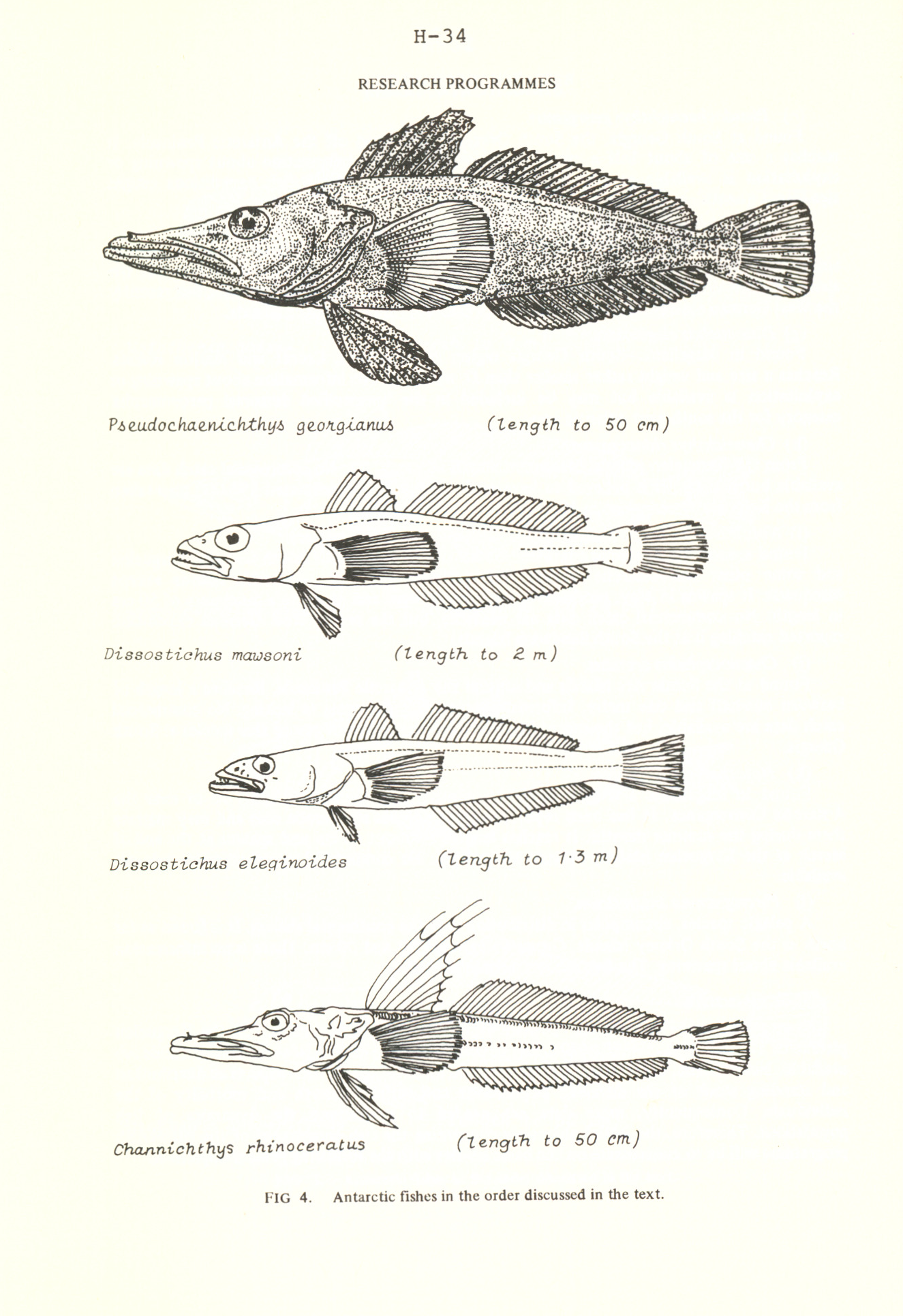
The $500,000 grant will fund the innovative project, which centers on Northwestern’s enormous trove of environmental impact statements, one of the unique collections held by the Transportation Library. Tens of thousands of EISs have been generated by the federal government since 1970 for every project that could affect the environment, from highway construction to changes in ferry routes. The reports document all the research dedicated to potential impacts, with all the arguments and counterarguments generated by the process.
EIS documents are difficult to read and often written in the “dense bureaucratic language of federal agencies,” said James Lee, associate University librarian for academic innovation and principal investigator for this project. The grant supports the digitization of the EISs—specifically, the 3.5 million pages preserved on challenging-to access microfiche—and will create AI tools trained to parse this niche language and analyze the collection at large scales. Users could ask expansive questions that would overwhelm a single researcher, such as how waterway contamination in Illinois compares with 30 years of nationwide pollution data.
 This combination of digitization, collection curation, and AI tools will allow researchers to explore complex research questions, Lee said. For example, a policymaker preparing for a public comment period on a highway expansion through a low-income neighborhood could try to anticipate community responses, technical objections, and thorny legal precedents to prepare rebuttals.
“The AI tools from this project could simulate that entire negotiation before it happens,” he said. Queries could generate realistic community objections based on how similar communities have responded in the past. “It’s essentially a flight simulator for environmental policy and for investigating the future impacts of climate change.”
Of particular importance is surfacing information buried in the public comments sections of EIS documents—transcripts of town halls, letters from park rangers, testimony from farmers, and documentation of organized resistance by affected communities. Nearly 3.8 million individual testimonies across 55 years and 76,000 projects will be available for deep inquiry via AI tools usable by scholars, students, journalists, and the public.
The two-year project will rely on in-house expertise, collaboration with faculty computer scientists, and Northwestern Knight Lab Studio courses that invite students to help test and refine the tools.
“What we’re building will allow us to perform deep and complex historical research while helping us understand the future of environmentalism and climate change,” Lee said. “Everyone from academic researchers to journalists will be able to use this tool to ensure federal environmental decision-making is transparent to the broader public.”
Want to learn more?
Read a deep-dive interview with James Lee on the exciting possibilities unlocked with this project.
With our AI research team, we are also building a new type of model called an AI “world model,” which is distinct from the now dominant “large language model” design. This idea has been rising in AI research — it’s a boundary-pushing model that combines text and image data with real-world physical data, such as satellite images and sensor data. The EIS dataset will be the first world model built on such a comprehensive historical dataset of environmental records, which only libraries and archives hold. —James Lee, primary investigator