We don’t want [materials] to just sit on shelves for 50 years. We want people to use them, whether for research, teaching, or inspiration.”
Rare materials are meant to be used, not just preserved
New McCormick Library director promotes access to special collections
The new head of Northwestern’s rare and unique materials library wants the research community to understand that if we have it, you can use it.
In September Clara Drummond became director of the Charles Deering McCormick Library of Special Collections and University Archives. Her 17-year career began as an assistant curator of literary and historical manuscripts at New York City’s Morgan Library and Museum, and before arriving at Northwestern she was co-interim head, lead curator, and exhibitions coordinator at Pennsylvania State University’s special collections library.
In these positions, she learned the value of caring for rare materials—after all, she notes, “curator” comes from the Latin curare, “to care for.” But preservation is only the first step for a library entrusted with such collections.
“We only hold these things because we want people to have access to them,” Drummond said. “We don’t want them to just sit on shelves for 50 years. We want people to use them, whether for research, teaching, or inspiration.”
When describing the importance of libraries and rare, historical materials, Drummond has sometimes found it difficult to encapsulate the scope of the work, which entails many different media—from handwritten texts on animal skin to digital files—spread over many time periods. So she turns to the poet Susan Howe, who once described the materials in rare libraries as “historical existential traces.”
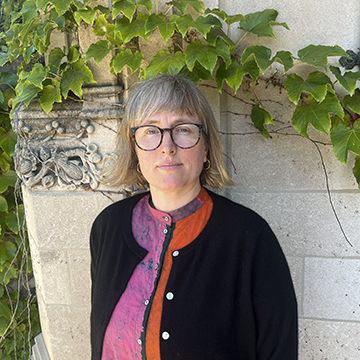
“It’s such a gorgeous description of exactly what we’re doing,” said Drummond. “These materials document the richness and complexity of human experience and history. Our role is to care for these things and to articulate why these materials are meaningful—how they can connect us to our past and to one another.”
Before researchers can access something in the collection, they need to know it’s there, which is why discoverability is an essential component of the work. To achieve it, Drummond isn’t shy about leveraging technology such as nascent AI tools that can describe large swaths of a collection. Making the materials discoverable “can mean making more and more of them digitally accessible,” she said.
Exhibitions play another important role in expanding collections’ discoverability. Drummond is eager to use her extensive exhibitions experience, particularly to curate with students.
“I’ve worked with many students on exhibitions, and it’s exciting to see them viewing themselves as creators and curators,” she said. “It’s about practicing collaboration and communication to create a space for transformative academic and cultural experiences in the library.”