Northwestern University Libraries awarded grant support for transformation of comprehensive archive of environmental impact statements into data using AI
Northwestern University Libraries were awarded a two-year, $500,000 grant from the Mellon Foundation to support the transformation of unique and extensive collection of environmental impact statements (EISs) into a dataset that can be explored through a digital exhibit platform and analyzed through a new AI agent framework pioneered at the University.
The grant will fund the innovative project, which will be led by principal investigator James Lee, head of academic innovation at the Libraries and an associate professor in the Medill School of Journalism, Media, Integrated Marketing Communications. The grant supports the digitization of the Libraries’ enormous collection of EISs—specifically, 3.5 million pages preserved on microfiche. The project will use fine-tuned AI tools to transform the collection into a globally accessible digital resource that can be probed for new insights; the final format will incorporate not just the text from these documents but hard-to-capture data from images such as maps and technical drawings.
“The tool we create will unlock the potential for new forms of scientific and humanistic inquiry,” Lee said. “The AI system will use advances in large language models and agentic systems to identify and compare rhetorical patterns across millions of pages, revealing how different stakeholders have framed environmental arguments over five decades.”
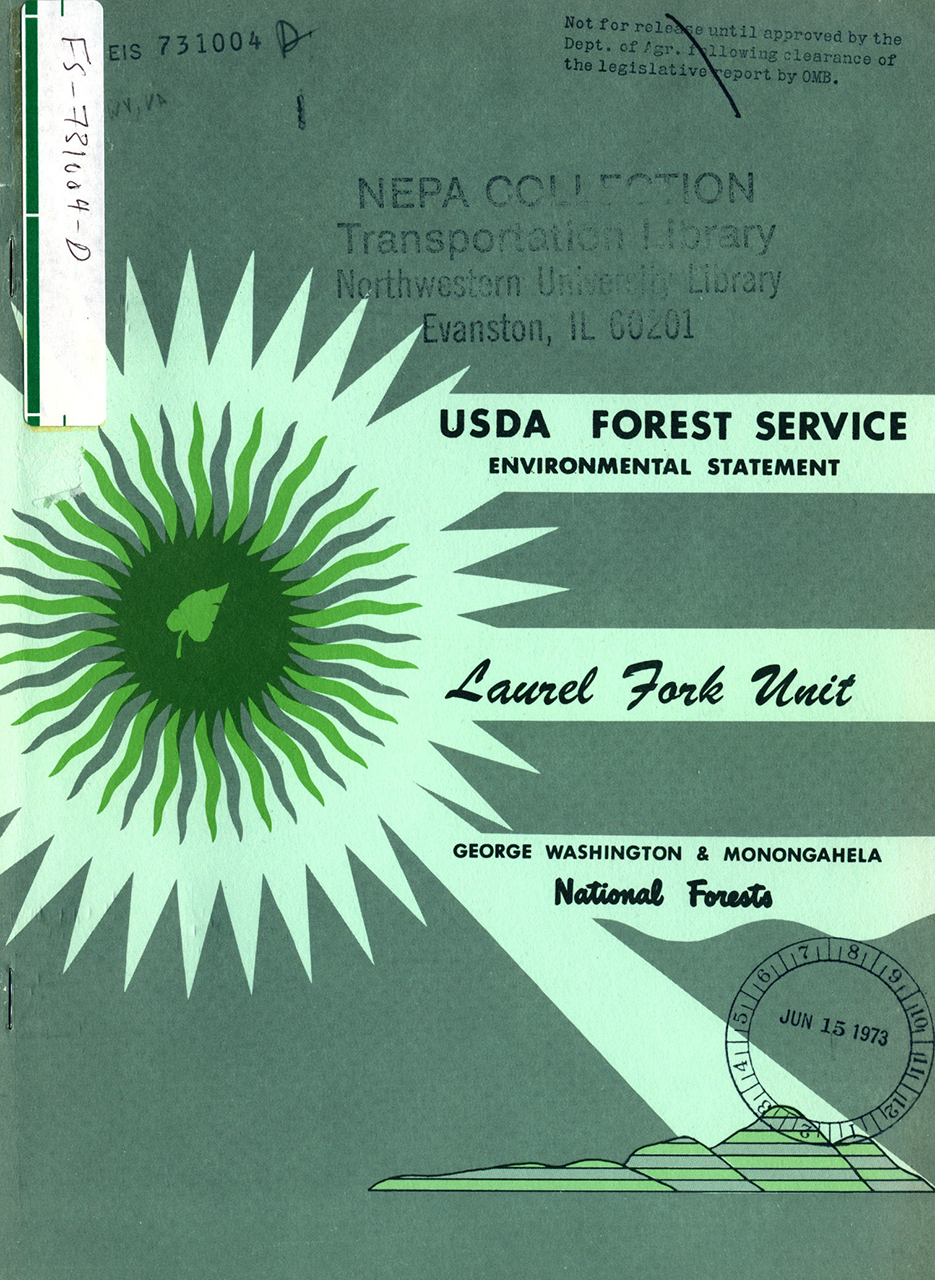
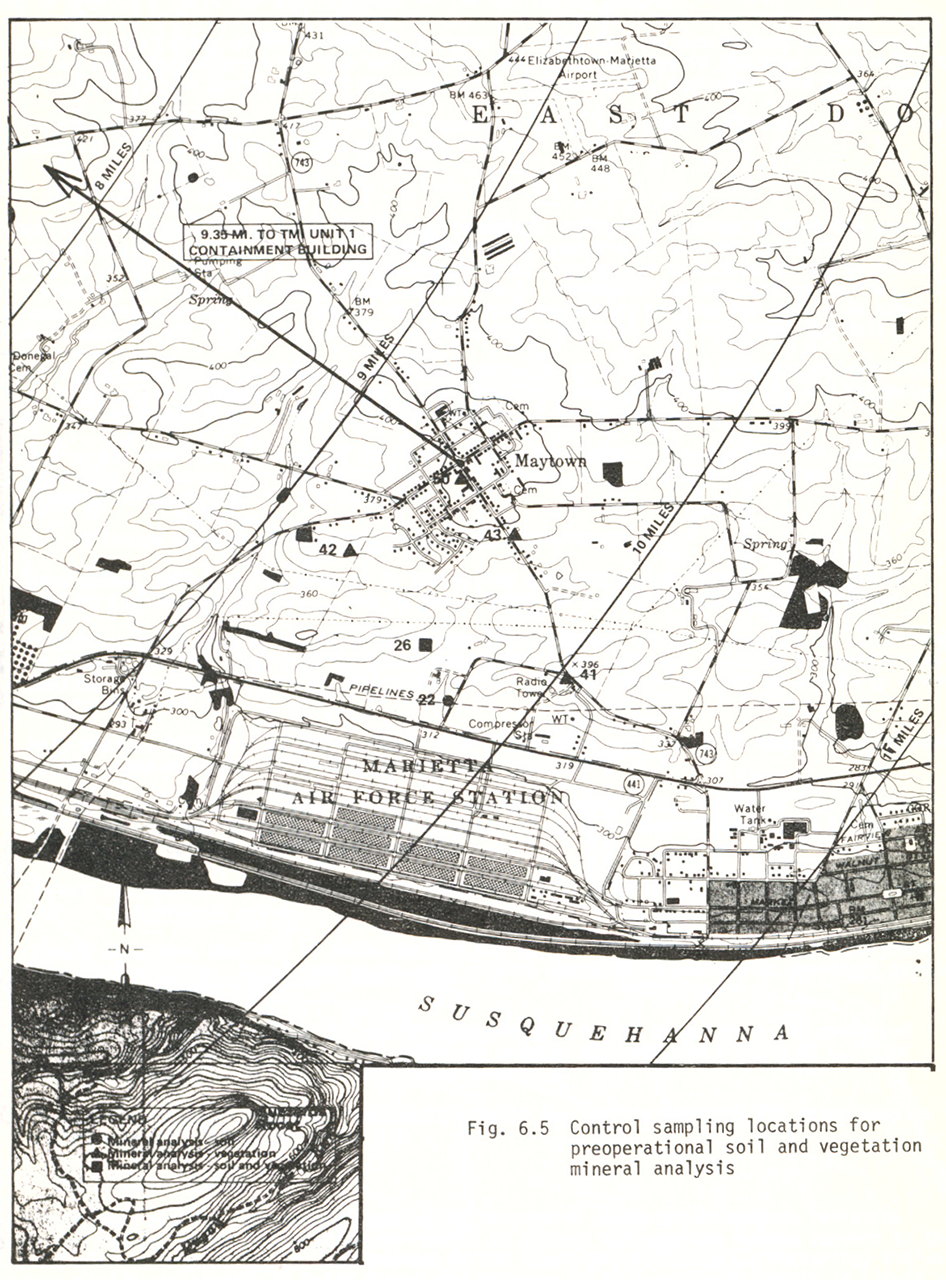
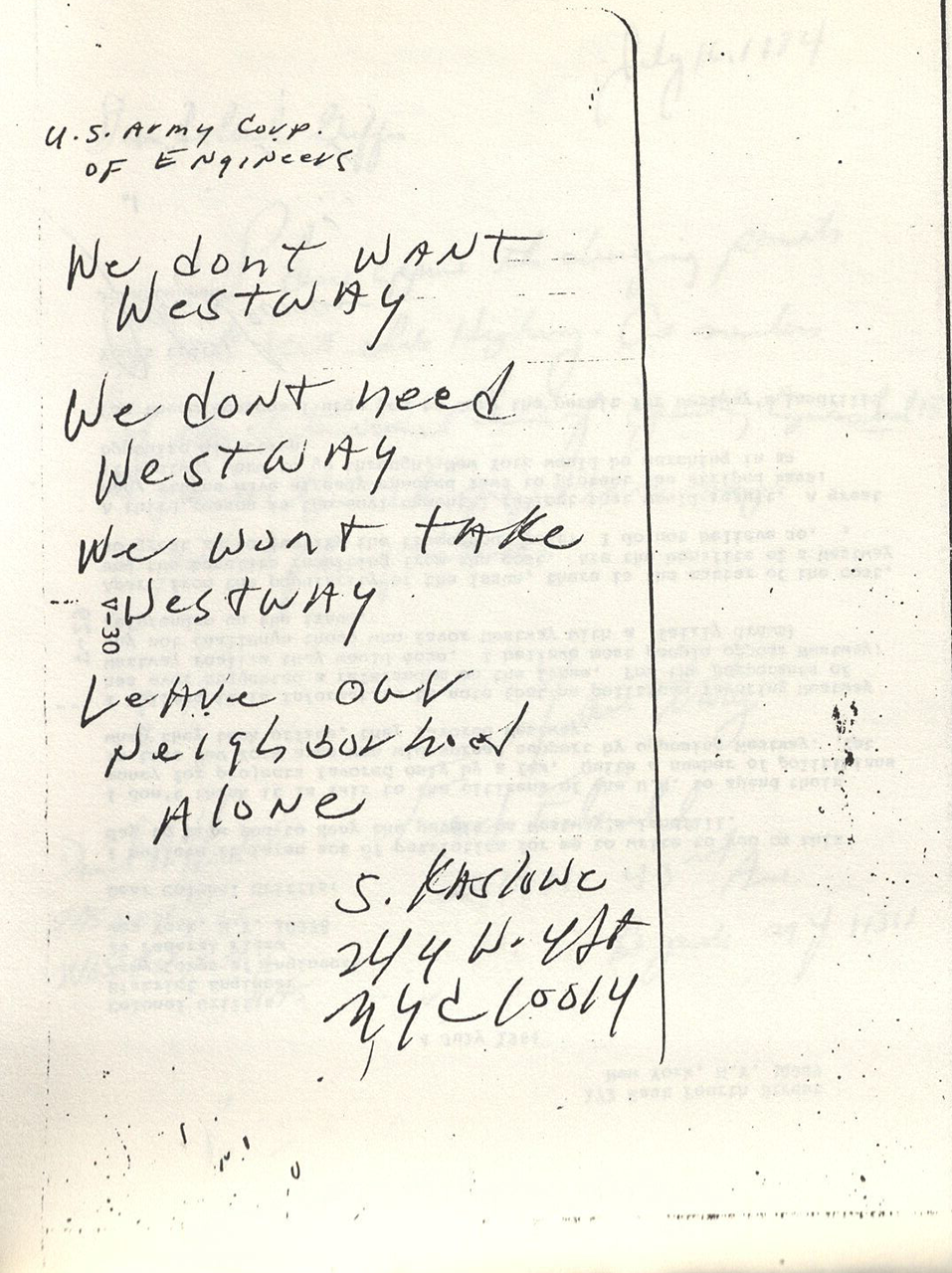
Since the 1969 Environmental Policy Act, tens of thousands of EISs have been generated by the federal government for every infrastructure change with an effect on the environment, from new highways and dams to alterations in ferry routes or even the construction of rocket launchpads. As a summary of every potential impact a project could have on its environs, an EIS is often the only historical record of all arguments and counterarguments lodged by legislators, industry representatives, and community groups in response to the proposal.
The final product of the grant will be a web-based application with an “exhibit-style” interface that integrates geospatial capabilities and visualization tools to make complex environmental data accessible to diverse audiences. Building the interface will be the focus of a year-long Knight Lab studio in Medill as a pair of team-based senior thesis projects. Medill faculty and students will also participate in a user engagement and testing phase to ensure that the application is appropriate for academic research, journalistic reportage, and inquiries by the general public.
“Medill students are being given an exclusive opportunity to develop a key resource for working journalists,” said Medill Dean Charles Whitaker ’80, ’81 MS. “The environment is a cornerstone to almost every piece of news today, including business, politics, and health, and I am sure this Northwestern dataset will be a key element in these vitally important stories.”
To accomplish its many goals, this project will require pioneering innovation in multiple directions, Lee said. For example, a collaboration with computer science faculty from the McCormick School of Engineering will drive development of a “world model” of AI—a nascent approach that combines text and image data with real-world physical data, including satellite images, all without relying on the typical large language model of other AI tools.
Digital innovation like this is core to the mission of the Libraries, said its dean, Xuemao Wang, the Charles Deering McCormick University Librarian for Northwestern.
“The future of librarianship is in unlocking the knowledge contained in our distinctive collections and archives using advanced technologies such as AI to enable new forms of inquiry across all disciplines,” Wang said. “This generous grant from the Mellon Foundation will help us develop the tools and methods essential to serve the data-driven and AI-powered research of the future.”
Want to learn more?
Read a deep-dive interview with James Lee on the exciting possibilities unlocked with this project.
With our AI research team, we are also building a new type of model called an AI “world model,” which is distinct from the now dominant “large language model” design. This idea has been rising in AI research — it’s a boundary-pushing model that combines text and image data with real-world physical data, such as satellite images and sensor data. The EIS dataset will be the first world model built on such a comprehensive historical dataset of environmental records, which only libraries and archives hold.”